
PAONIA PSYCHOTHERAPY
Therapy does different things for different people. While much of what brings people to therapy is shared across human experience, each person’s story and experience is also unique. Personal history, upbringing, culture, attachment style, beliefs and values, personality and temperament, and more determine what will resonate and feel helpful to someone.
At Paonia Psychotherapy, we try to meet each person where they are, listen closely to their story, and understand their goals, hopes, and wishes for themselves. For some, the concern or difficulty is related to present circumstances and can be resolved quickly. For others who may be grieving or who have experienced traumatic events, it may take a bit longer. Oftentimes it is helpful, or even necessary, to understand the deep roots of the difficulties we are experiencing to create lasting healing and change.
There are many ways of knowing that influence our work, they include contemporary psychodynamic relational theory, mind-body and somatic therapy, ecopsychology and indigenous ways of healing, various trauma-informed theories, and systems theories. However, we firmly believe that the most important way of knowing is a client’s sense of themselves, what they want and need for themselves, and determining what feels helpful.
Creating space for oneself; to truly attend to, understand, accept and/or shift patterns of being that are no longer working for us, can create more space and presence in our lives and in our relationships. Each of our clinicians deeply value accessibility and mutual respect in our practice with clients and honor the vulnerability it takes to commit to one’s growth in working with a therapist. We would be honored to support you in this way.


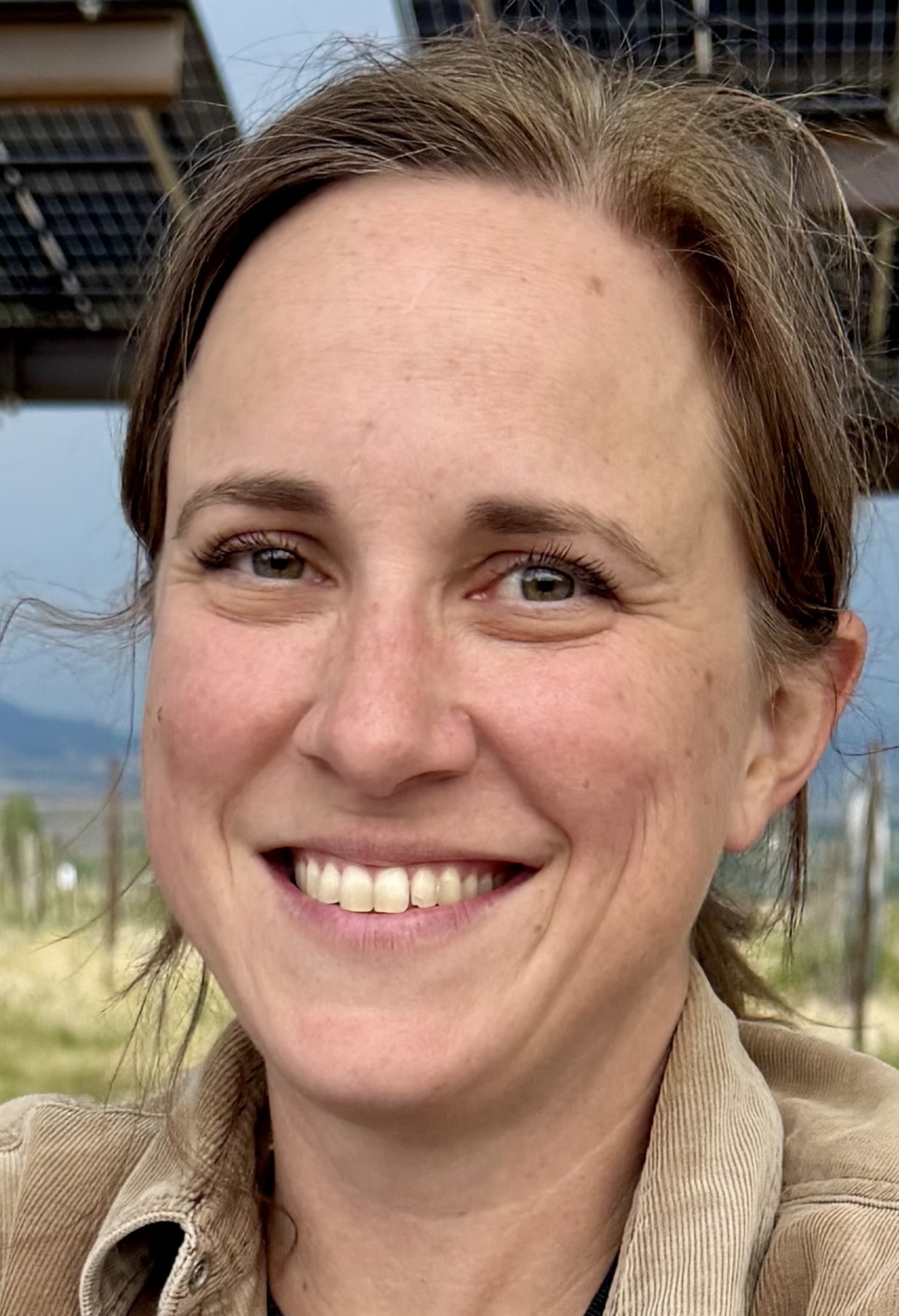
After more than 25 years as a psychotherapist, I have come to see therapy as an opportunity to
slow down, listen deeply, and become more fully present to our lives.
There are times when the ways we have been living no longer fit. Something may be ending,
changing, or asking to be seen differently. We may be moving through grief, a significant life
transition, a change in identity or direction, or a period of uncertainty. Sometimes we simply
have a sense that something is missing—a deeper way of living that we can't yet see clearly.
These moments can be difficult and disorienting, but they can also be times of profound
possibility. They invite us to ask deeper questions: Who am I becoming? What matters to me
now? What is my life asking of me? How do I want to live?
I think of this as the work of becoming—not becoming someone we are supposed to be or who
we were told we should be, but becoming more fully ourselves.
Ultimately, I see psychotherapy as a collaborative journey toward greater authenticity,
presence, connection, and meaning.
A place to pause.
A place to listen.
A place to grieve what is ending.
A place to discover what is becoming.
And, perhaps, a place to become more fully yourself.
My Approach
I offer soulful, depth-oriented psychotherapy for people who want to explore not only what is
troubling them, but what is unfolding within them.
My approach holistic and integrative. I draw from existential, relational, and contemporary
psychodynamic psychotherapy, somatic psychotherapy, mindfulness, trauma-informed
approaches, ecopsychology, and Internal Family Systems–informed work. In addition to my
MSW and PhD studies, I have continued extensive education and training throughout my career in trauma informed approaches, body mind psychotherapy and somatic psychotherapy, and nature based healing. I am also PACT Level II trained in couples work and have completed
foundational training in NeuroAffective Touch™.
I work with the whole person—body, mind, emotions, and essence. I believe that meaningful
healing often involves developing greater harmony among these different aspects of ourselves
and learning to listen more deeply to our own inner knowing.
Therapy with me may include exploring old wounds and patterns if they are impacting your
present, developing greater self-trust, learning to care for and protect your sensitivity,
understanding relationship dynamics, finding healthier boundaries, and discovering ways to
communicate what you truly need.
While my work is depth-oriented, it is also grounded in everyday life. Insight matters, but so
does what happens when you leave the therapy room and return to your relationships, your
work, your family, and your life.
Grief, Transition, and the Thresholds of Life
I am particularly drawn to working with people navigating grief and loss, death and dying,
significant life transitions, questions of identity or purpose, relationship difficulties, and a
longing for greater meaning and connection. I also enjoy working with women who are in their
perimenopause and menopause years as this is a deep rite of passage time that can be both
beautiful and challenging.
My many years accompanying people through grief have taught me that grief is not simply
something to "get through"; Loss can profoundly change our relationship with ourselves, with others, and with life itself.
I see grief and other major transitions as threshold experiences. They can unsettle what we
have known and, over time, open us to new ways of understanding ourselves and what
matters. Sometimes the work is about healing what has been wounded. Sometimes it is about grieving what must be released. And sometimes it is about listening for what is beginning to emerge.
Spirituality, Soul, and the Natural World
My own spiritual connection is deeply rooted in the natural world.
I am certified in Ecopsychology but, more importantly, have spent the past decade deeply
studying nature-based approaches to healing, including learning from my teacher, Gran Tia
Blassa, a wisdom holder in her tradition. These studies, along with my own relationship with
nature, have shaped my understanding of healing and our connection with the larger living
world.
I use the word soulful intentionally. I am interested in the dimensions of human experience that can be difficult to measure or put into words—the questions of meaning, mystery, belonging, purpose, connection, and what we hold sacred.
There is room for spirituality in our work, but I do not ask you to adopt a particular belief
system. Your spirituality, beliefs, and worldview are your own and I enjoy working with people from many different traditions and those who don’t see themselves as spiritual at all. My role is
to create a respectful space where you can explore what is meaningful and true for you.
I approach my study of nature-based and Indigenous traditions with humility and respect,
honoring the traditions and teachers who have shared their knowledge with me while
recognizing that many of these traditions are not mine to claim.
Healing in a Larger Context
I am deeply committed to ecological justice, which I understand as inseparable from economic,
racial, and social justice.
Our suffering does not occur in isolation. We are shaped by our ancestral histories and families, our relationships and communities, our workplaces and cultures, and the larger social and economic systems in which we live.
I hold this larger context in mind as I work with each person. You may want to explore these
dimensions explicitly in therapy, or you may not. Either way, I believe it is important to
understand that our individual struggles are connected to the worlds we inhabit.
I also believe that our own healing can affect how we participate in the world. As we become
more aware, more whole, and more deeply connected to ourselves and to the living world, we
may discover new ways of contributing our gifts.
My Own Journey
My own healing journey—including long-term depth therapy, many years of yoga and
meditation, nature based and shamanic healing, body work, and ongoing contemplative and
spiritual practice—deeply informs my work.
These experiences have taught me that healing is not a straight line and that none of us ever
arrives at some final, perfected version of ourselves. We continue to change, learn, grieve,
grow, and become and hopefully, come to greater acceptance of our own and others’ messy
humanness.
I bring my own experience with openness and humility, while honoring that your path is
uniquely yours. I don't believe I have the answers for how you should live. I believe my role is to accompany you, listen carefully, offer perspective and support, and help you develop a deeper relationship with your own knowing.
Who I Work With
I work with adults, adolescents age 15 and older, and couples.
Many of the people I work with are sensitive, creative, spiritually curious, deeply connected to
the natural world, or interested in ways of living that don't necessarily follow the expectations of dominant culture. Some are healers or helping professionals. Others are simply people who feel a strong desire to learn, grow, and live more fully into who they are.
I believe therapy should be a place where you can be fully yourself. I welcome people of diverse sexual orientations, gender identities and expressions, race, cultures, abilities, relationship structures, and spiritual or religious backgrounds. My hope is to offer a space where you feel respected, seen, and free to explore what is true for you.
What my clients tend to share is a willingness to look beneath the surface and a desire for a life
that feels more authentic, meaningful, and alive.
I also provide clinical supervision and consultation to other clinicians.
Beyond the Therapy Room
When I'm not working, I love being with my partner, dogs, cats, and chickens. I spend a great
deal of time in my garden, where I find much joy and learning every day. On the best days, I
have a little time to curl up with a book. I also love swimming, kayaking, hiking, yoga (more on
the gentle side these days), meditation, cooking, and trying to be a good human.
From a young age, I’ve felt a deep calling to create spaces where people feel safe to simply be themselves, explore their emotions, and discover their inner truths. Over time, this calling guided me to clinical social work, where I found a path that honors the whole person—acknowledging the many aspects of who we are and the environments that shape us.As a Licensed Clinical Social Worker (LCSW), I bring a person-centered approach to my work, always striving to meet clients where they are and engage with them in ways that help them feel empowered, seen, and heard. I’ve had the privilege of supporting individuals navigating trauma, anxiety, depression, grief and loss, life transitions, relational challenges, chronic illness, attachment, and I’m deeply passionate about walking alongside people on their journeys of self-discovery and healing. I also hold a special place in my heart for working with the elderly, honoring their unique stories, wisdom, and experiences while supporting their emotional well-being.
In my practice, I place a gentle focus on building healthy relationships with emotions—learning to understand, dance with, and not fear them. I believe in the profound connection between mind, body, and emotions, and I strive to help clients integrate all the different parts of themselves in a way that feels whole and authentic.
The therapeutic process, to me, is a sacred space. I approach it with presence, warmth, humor (when appropriate) and an unwavering commitment to creating an environment of safety, groundedness and non judgment. My connection with animals has taught me invaluable lessons about trust, connection, kindness and healing, and I am grateful to bring these insights into my work through training in Equine Assisted Psychotherapy with the Natural Lifemanship program. I am also trained in Eye Movement Desensitization and Reprocessing (EMDR) Therapy, offering additional tools to support healing and growth.Ultimately, I believe therapy is a place where people can connect and reconnect with themselves, uncover their resilience, and create meaningful change. It is an honor to be in this space with folks.
Throughout my life, I’ve been drawn to spaces and relationships that feel genuine, relational, transformative, and real. I aim to bring that same quality into my work, creating a space where you can be seen, understood, and supported as your whole self, without needing to perform or hide what’s hard.
I bring over 15 years of experience across outdoor education, public-school teaching, residential experiential education leadership, and clinical work. I have supported teens, young adults, families, and groups, and work with trauma, grief, life transitions, relationships, anxiety, depression, ADHD, and identity development. My work also includes supporting clients through early motherhood and major identity shifts, as well as midlife transitions, including perimenopause and menopause. I am a graduate of Naropa University’s Mindfulness-Based Counseling program and earned my undergraduate degree in sociology from Colorado College.
My approach is trauma-informed, relational, and strengths-based. It is rooted in attachment theory, parts work, mindfulness practices, EMDR-informed care, and nervous-system awareness. I value collaboration, curiosity, and mutual respect in the therapeutic relationship. I strive to support meaningful growth rather than “fixing” or pathologizing. My work is also informed by a deep respect for nature and an understanding of humans as embodied beings within it, inviting reconnection with our bodies and nervous systems as part of the natural world, not separate from it.
I am a wife, a mother, and someone who lives in community, roles that shape both how I understand connection and how I show up in session. I believe therapy can hold depth and seriousness while still leaving room for warmth, humanity, and laughter.
Having received counseling as a teen, I knew from a young age how important the role of a counselor is. I received my master's degree in clinical mental health counseling from Northwestern University in 2021, specializing in children and adolescents. I am a licensed professional counselor in Colorado and hold certifications as an Autism Spectrum Disorder Specialist, Mental Health and Nutrition Specialist, and EMDR therapist. I have specialized training for domestic violence through the Colorado Coalition Against Domestic Violence. My education includes trainings in integrative health, healing with plants, and the human microbiome. My goal as a therapist is to support individuals holistically throughout their healing journey. I aim to address the whole person- mind, body, and spirit.
My practice is based in the psychodynamic modality, meaning I look at the entire development of an individual to understand their beliefs and world views. I pair this modality with both neuro and trauma informed modalities, as well as CBT and solution-focused interventions. Most of all though, I want to teach clients new patterns so they can be successful after leaving the counseling setting. I’m commonly described as “genuine.” I am direct but out of a place of deep caring and love to play, do art, write poetry and be supportive to others.
I have long believed that every person carries a story that deserves to be heard with care rather than judgment. My path to counseling was not a straight one. Before entering graduate school, I spent many years working in film, where I came to appreciate the power of stories—not only the ones we tell about others, but also the ones we tell ourselves. Over time, I realized I wanted to move beyond witnessing those stories and begin helping people write new chapters of their own.
I am currently completing my master’s degree in Clinical Mental Health Counseling at Wake Forest University and provide counseling under the supervision of Nina Clouse, LPC. My work is grounded in curiosity, compassion, and collaboration. I strive to create a space where clients feel genuinely heard, accepted, and supported as we explore both present challenges and the deeper patterns that may be shaping their lives.
I especially enjoy working with children, adolescents, and adults navigating anxiety, trauma, grief, life transitions, ADHD, relationship concerns, and emotional overwhelm. My work is trauma-informed and influenced by psychodynamic, attachment-based, and mindfulness-oriented perspectives, while also incorporating practical skills from Dialectical Behavior Therapy (DBT). I believe lasting change often begins with greater self-understanding, paired with practical tools that help us respond to life’s challenges with greater flexibility and intention. I also believe that connection with the natural world can offer perspective, grounding, and opportunities for healing.
When I am not studying or meeting with clients, I enjoy spending time outdoors, traveling, discovering meaningful art and films, learning to tend the land, and connecting with friends and family—ideally with my dog, Sueño, along for all of it. It is a privilege to accompany people as they move toward lives that feel more authentic, connected, and meaningful.


